

Object a: Lacan’s Key Contribution to Psychoanalysis
A TAF Seminar with Bruce Fink
Hybrid Format: In Paris and Online | March 6-7, 2027
An opportunity to study one of Jacques Lacan’s most consequential theoretical innovations with his foremost English-language interpreter, in the city where Lacan himself lived and worked.
Overview
Few concepts have been as consequential for the development of Lacanian psychoanalysis as object a. Lacan himself considered it his most important contribution to psychoanalytic theory.
Yet the object was never a fixed or straightforward concept in Lacan’s teaching. From its early formulations in the imaginary register to its elaboration as the cause of desire, and eventually its close association with jouissance, it underwent a series of profound transformations.
In this two-day seminar, renowned psychoanalyst Bruce Fink will trace the origins and development of the Lacanian object, examining its changing theoretical formulations and their implications for psychoanalytic practice. Moving from das Ding in Seminar VII and agalma in Seminar VIII to the gaze in Seminar XI and surplus jouissance in Seminar XVI, the seminar will explore the relationship between the subject, the Other, desire, and satisfaction.
Who is this seminar for?
This seminar is intended to appeal both to experienced Lacanian clinicians and scholars seeking to deepen and refine their understanding of object a, and to those relatively new to Lacanian psychoanalysis who have a serious interest in the field.
Bruce Fink is widely recognised in psychoanalytic circles for his exceptional ability to make Lacanian thought lucid and accessible without sacrificing its conceptual complexity or theoretical rigour.
Although some familiarity with the basic concepts of psychoanalysis will be helpful, extensive prior study of Lacan is not required. Participants should, however, be prepared to engage with challenging theoretical material and are encouraged to consult the recommended readings in advance.
The seminar will offer an opportunity for participants at different stages of their engagement with Lacan’s work to explore the development of one of his most important and demanding concepts.
An invitation to Paris
Psychoanalysis has always been sustained by more than the transmission of ideas. It is also a practice of conversation, debate, and intellectual exchange—a tradition shaped by the relationships between those who study and practise it.
We invite participants to join us in Paris for two days of sustained engagement with Bruce Fink and with colleagues who share a passion for psychoanalysis. In-person attendance offers an opportunity not only to work directly with the seminar instructor, but also to continue conversations beyond the formal sessions: over breakfast and lunch, during breaks, and at informal gatherings in the evenings.
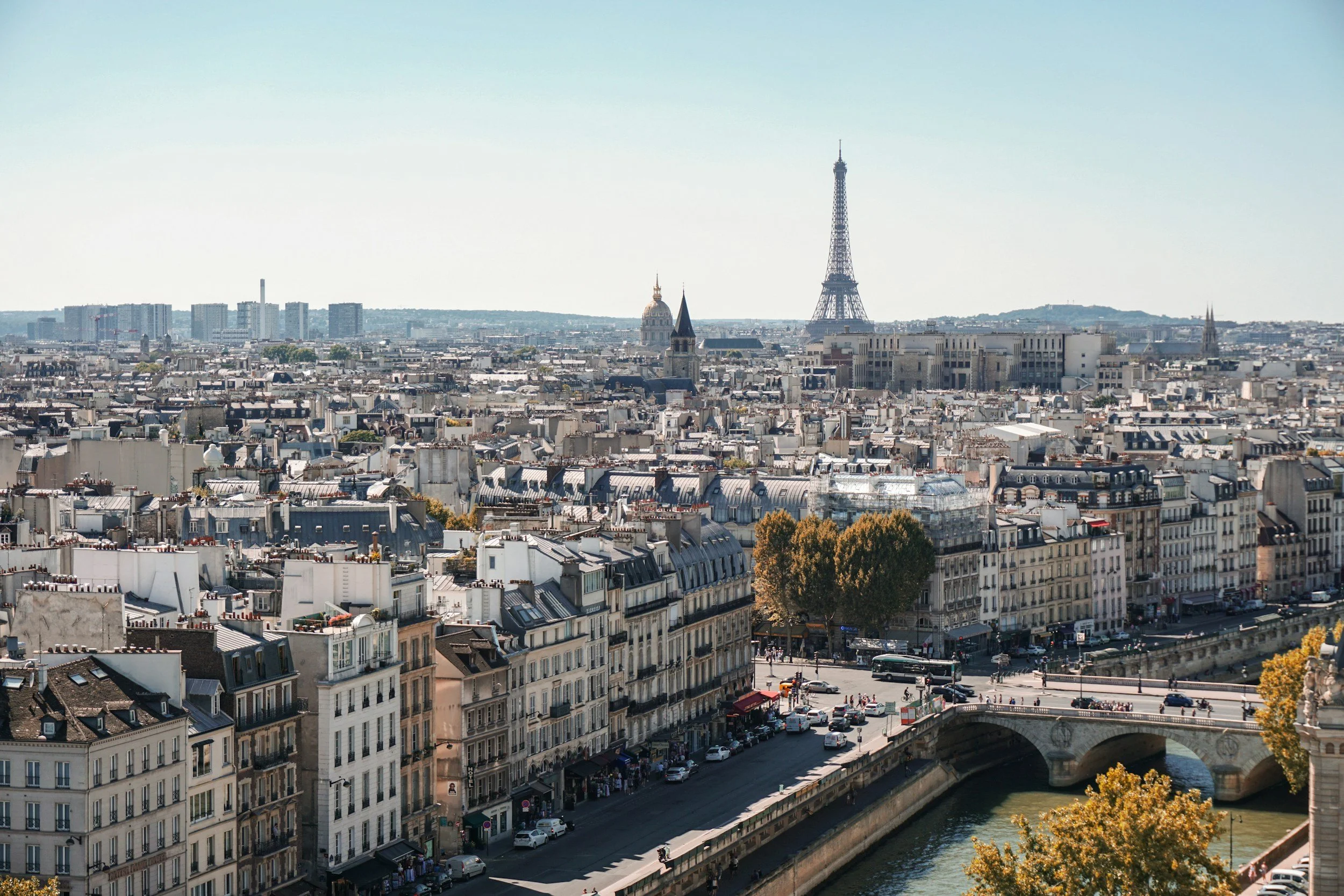
Participants will have opportunities to meet the organisers of The Analytic Forum, exchange ideas with colleagues from different backgrounds and countries, and establish relationships that may continue long after the event itself. All of this will take place against the historic backdrop of Paris, the city in which Jacques Lacan lived, taught, and worked.
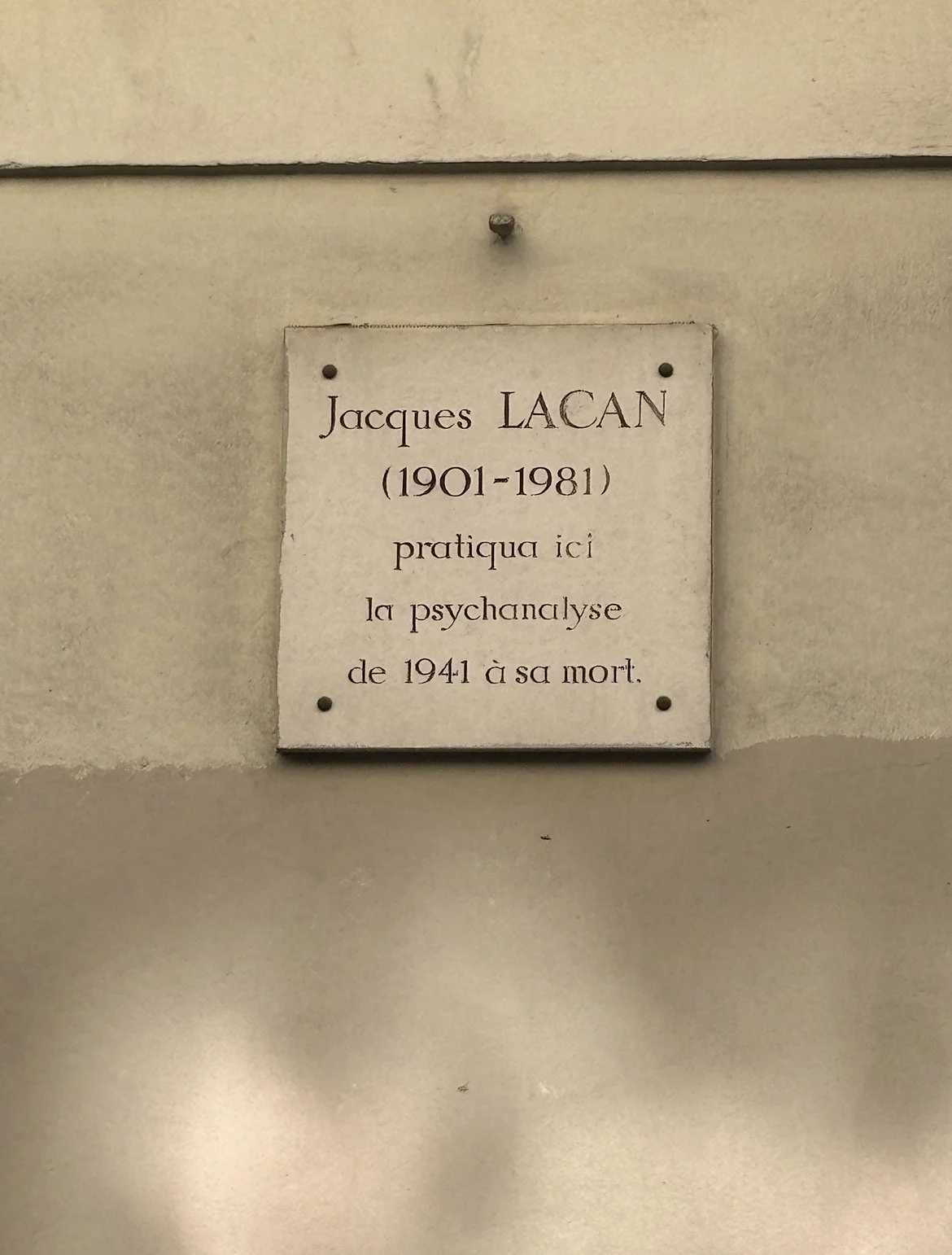
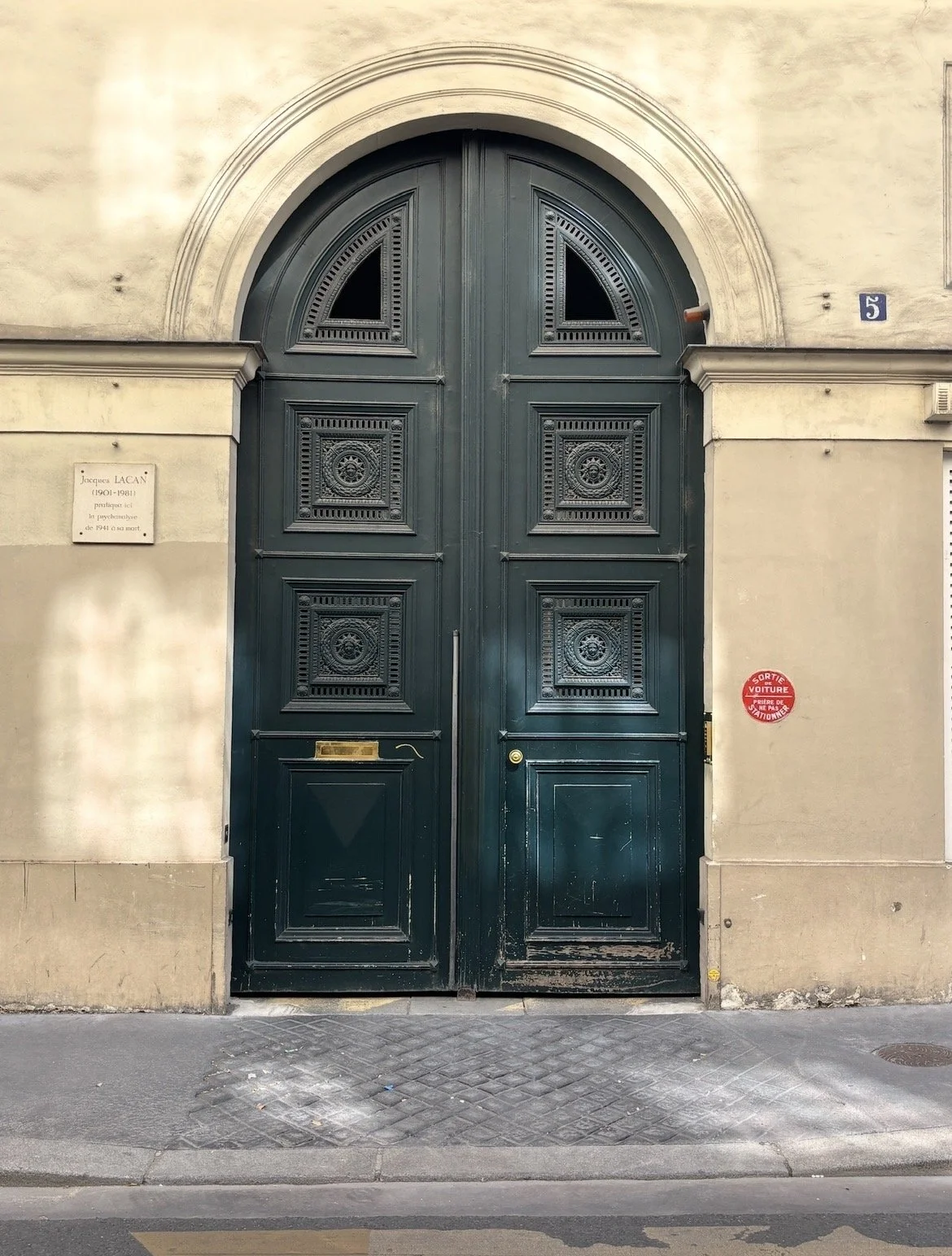
At 5 rue de Lille, in the 7th arrondissement, Lacan maintained his consulting rooms from 1941 until his death. The address remains a landmark in the history of his clinical practice.
The Seminar
This seminar will present the origins and development of what Jacques Lacan considered to be his most important contribution to psychoanalysis: object a. From its inception in the 1930s in the “imaginary register,” as he calls it, we will trace its evolution through Seminar VII, where it takes on the form of das Ding, the Thing; Seminar VIII, where it appears in the guise of agalma, the precious object Alcibiades sees in Socrates; Seminar XI where the notion of the gaze is developed at length; Seminar XVI, where it takes on the form of “surplus jouissance”; and on to his work in the 1970s where it becomes virtually equated with jouissance itself.
Learning Objectives
Grasp the history of the concept of the object in Lacan’s work, from its origins in the imaginary register onward.
Articulate the reasons for the progressive shifts in the concept, owing to Lacan’s extensive work on language and libido (i.e., jouissance), from the imaginary “other” (the other like oneself), to the object of desire, to the object as real cause of the subject’s desire.
Elaborate the topological models Lacan introduces to problematize the notions of inside and outside, and to show in what ways the object belongs neither exclusively to the subject nor to the Other.
Lay out the clinical and theoretical usefulness of a concept that has myriad avatars, including the little other (or semblable), ágalma, the golden number or ratio, the Freudian Thing, the voice, gaze, phoneme, turd, urinary flow, the real, the anomaly, the cause of desire, surplus jouissance, the letter, the analyst’s desire, logical consistency, the Other’s desire, semblance, the lost object, the soul, the placenta, the amniotic sac, haste, and so on.
Event Programme
Saturday 6 March — Day One
09:00–10:00: Breakfast & Welcome
10:00–13:00: Seminar Session I
13:00–14:30: Lunch
14:30–17:30: Seminar Session II
17:30–18:00: Book Signing
19:30: Dinner offsite (optional, venue TBC)
Sunday 7 March — Day Two
09:00–10:00: Breakfast & Participant Exhibition
10:00–13:00: Seminar Session III
13:00–14:00: Lunch
14:00–17:00: Seminar Session IV
17:15–18:00: Fireside Chat: Bruce Fink and Derek Hook
19:00: Celebratory drinks offsite (optional, venue TBC)
All times are Paris local time (CET). Programme subject to minor changes.
About the instructor
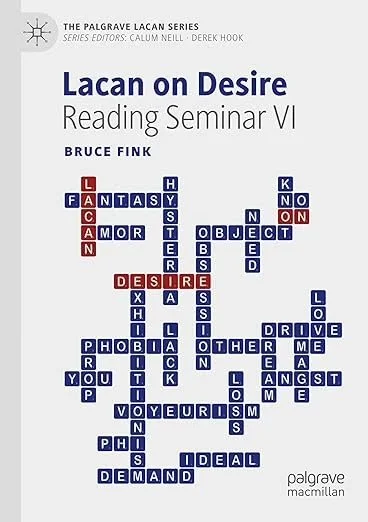
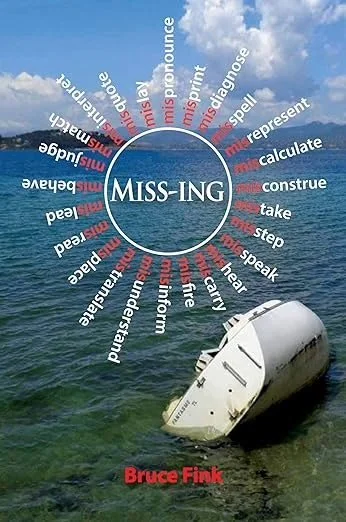
Bruce Fink, Ph.D., is a Lacanian psychoanalyst and supervisor who trained in France with the École de la Cause freudienne. He has translated many of Lacan’s works into English—including Écrits and Seminars VI, VIII, XVI, XVIII, and XX—and is the author of numerous books on Lacan, including The Lacanian Subject, A Clinical Introduction to Lacanian Psychoanalysis, Lacan to the Letter, Fundamentals of Psychoanalytic Technique, Against Understanding, Lacan on Love, Lacan on Desire, Miss-ing, and A Lacanian Approach to Autism. He also published A Clinical Introduction to Freud: Techniques for Everyday Practice.
A board member of the Pittsburgh Psychoanalytic Center, he has also written mysteries involving a character loosely based on Jacques Lacan, including The Psychoanalytic Adventures of Inspector Canal, Death by Analysis, and The Da Vinci Staircase. His books have been translated into 17 languages.
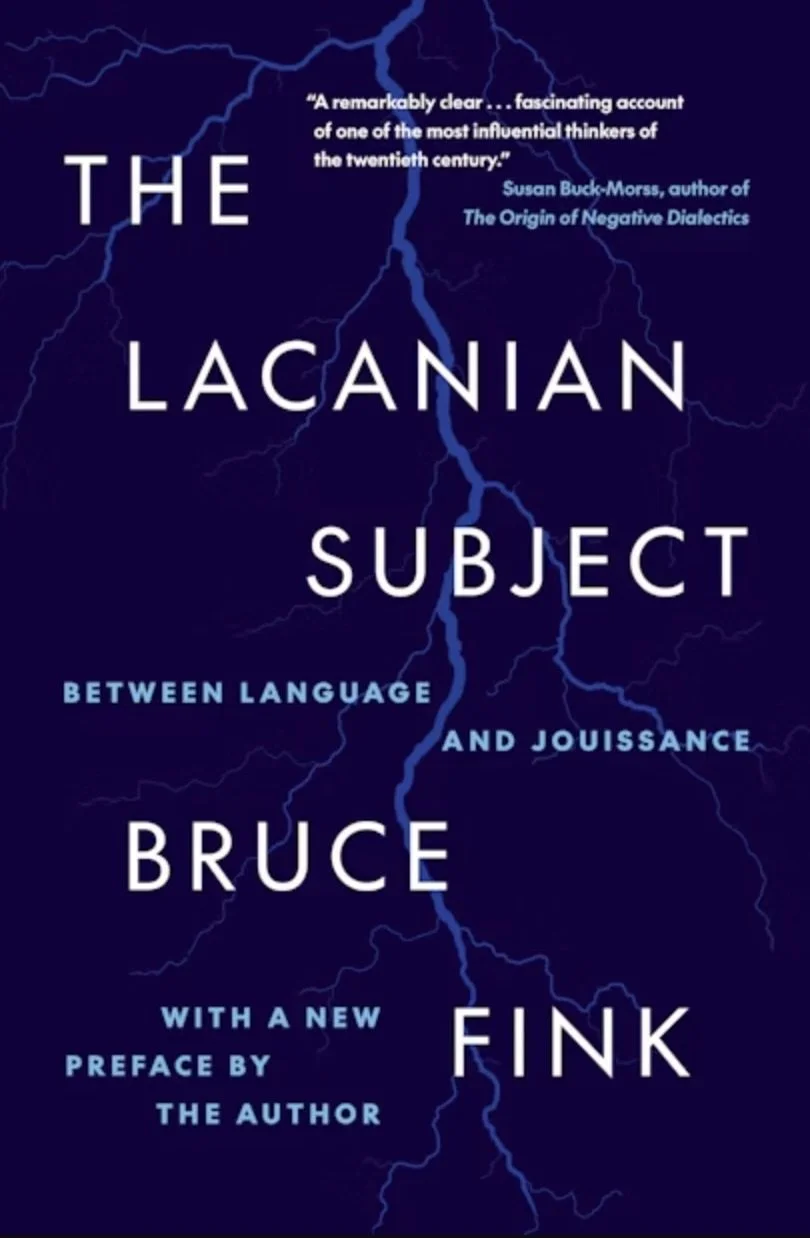
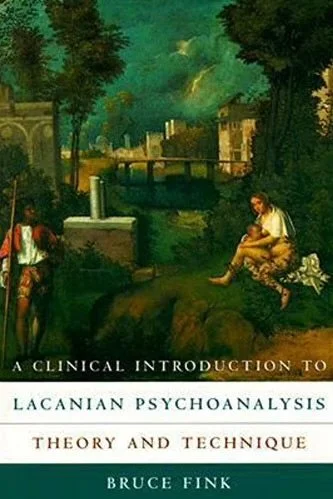
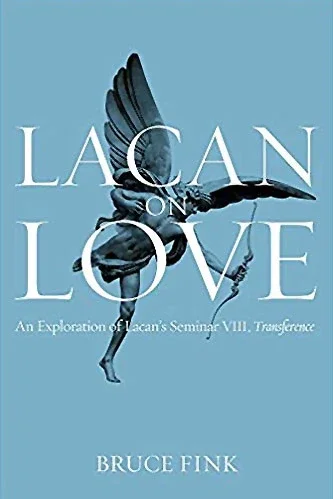
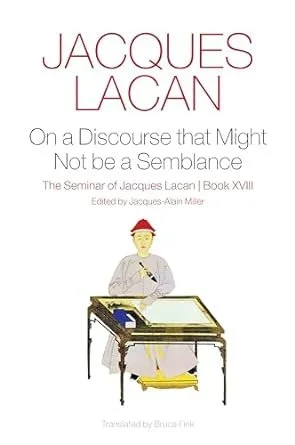
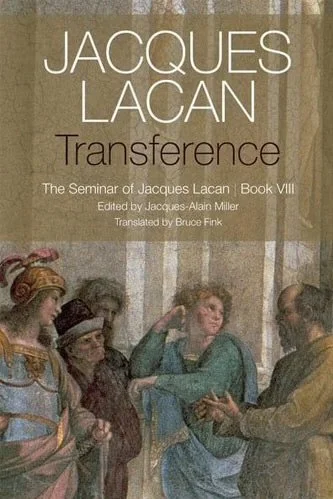
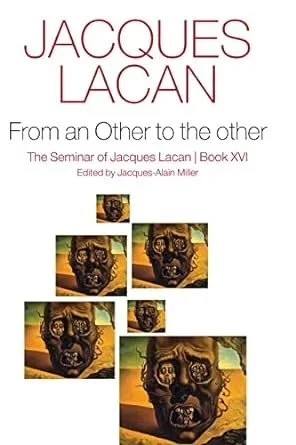
A selection of Bruce Fink’s books and translations.
Practical Information
Our Paris Venue
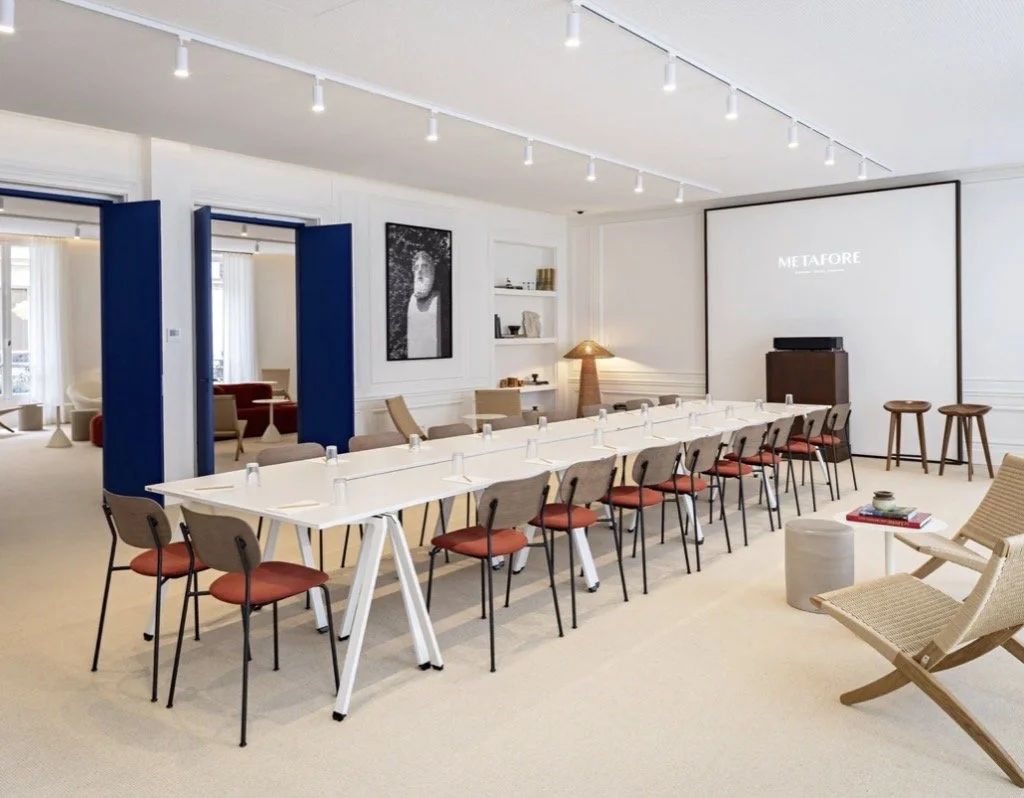
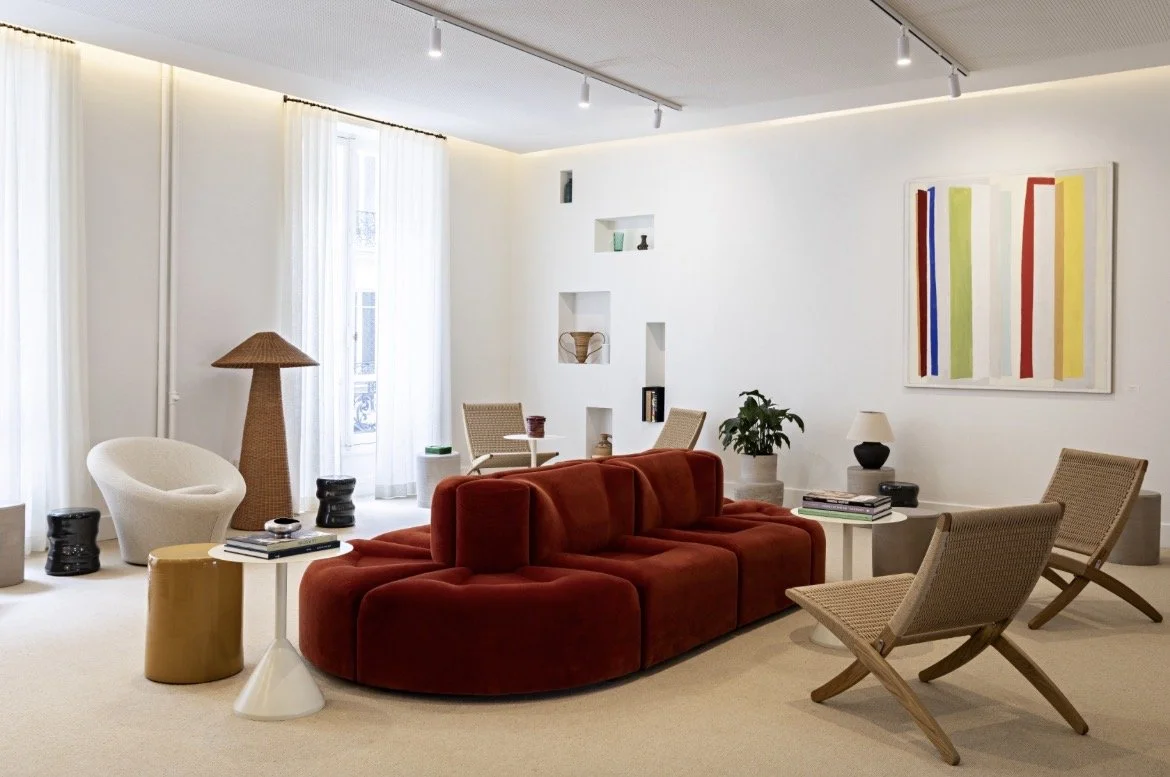
Located in a historic Haussmannian building in Paris’s 8th arrondissement, Metafore Boétie Saint-Augustin provides a welcoming setting for study and exchange. Nearby transport connections include Saint-Augustin, Miromesnil and Saint-Lazare. Detailed arrival and accessibility information will be provided before the event.
Hospitality Throughout the Weekend
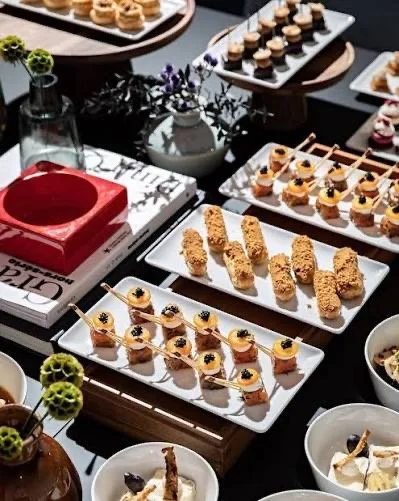
Our hosts at Metafore will provide breakfast and a gourmet cocktail-style lunch on both days, together with coffee, tea, refreshments, and snacks throughout the seminar. Meals and breaks will offer opportunities to relax, meet fellow participants, and continue conversations beyond the seminar room.

Saturday Evening: Dinner in Paris
On Saturday evening, participants will be invited to join the seminar hosts, instructor, and fellow attendees for an informal dinner at a nearby Parisian restaurant. The restaurant will be announced closer to the event. Dinner is optional and is not included in the registration fee.
Sunday Morning: Participant Exhibition
Sunday morning’s breakfast gathering is reserved for an informal exhibition of work by seminar participants. We welcome proposals for posters, visual presentations, artworks, or digital displays engaging with the Lacanian object, desire, jouissance, and related questions in psychoanalytic theory and practice. Students and early-career researchers are especially encouraged to participate. Participants should contact The Analytic Forum in advance with a 200-word abstract. If needed for institutional purposes, a letter of acceptance will be available on request. Display space and equipment are limited; contributions are subject to confirmation.
Sunday Evening: Farewell Drinks
We will also gather for informal drinks on Sunday evening. The venue will be confirmed closer to the event. Drinks are optional and are not included in the registration fee.
Fees and Registration
Paris Registration
Early Bird: €549 (First 15 registrations or through 31 December, 2026)
Standard: €619 (After early bird, through 31 January, 2027)
Final: €699 (1–26 February, 2027)
Student: €549 (Fee applies throughout; limited places, valid proof required)
A payment by installments option is available for all enrollments.
In-person fees include four seminar sessions, breakfast and lunch on both days, refreshments and snacks, book signing, exhibition and fireside chat. Optional evening dinner and drinks, travel, and accommodation are not included.
Online Registration
Early Bird: €259 (First 20 registrations or through to 31 December, 2026)
Standard: €299 (After early bird, through to 28 February, 2027)
A payment by installments option is available for all enrollments.
Online fees include Zoom access to all four seminar sessions, both live and recorded (for a period of two weeks after the event).
Please Note
All listed fees are in euros and include applicable taxes. Early-bird allocations close when sold out or at the stated deadline, whichever occurs first. Registration closes 26 February, 2027. Booking is confirmed on successful payment, subject to the event terms.
Frequently Asked Questions
-
Psychoanalysts, psychotherapists, psychologists, psychiatrists; students, candidates, trainees; researchers, philosophers, artists, and others with a serious interest in Lacanian psychoanalysis. Familiarity with Lacan is helpful but formal clinical qualifications are not required.
-
No. This independent educational event is undertaken for participants’ own interest and does not constitute formal psychoanalytic or psychotherapy training, confer a professional qualification, or award continuing education (CE/CPD) credits.
-
A digital certificate of attendance is available upon request, subject to verification of attendance. It confirms participation only and does not confer accreditation or CE/CPD credits.
-
Possibly. Therapists and other professionals whose work relates to the seminar may be able to claim the fee as a professional expense, depending on their circumstances and jurisdiction. Participants should seek independent advice from their own tax advisers; The Analytic Forum cannot guarantee deductibility.
-
Currently enrolled students with valid proof of status, subject to the limited allocation of places.
-
Students may be eligible for funding from universities, academic departments or other institutions. They should enquire directly about eligibility and application procedures. Making a contribution to our Sunday breakfast exhibition may be one way in which students can seek institutional support for participation.
-
Yes. Contact TAF in advance with a 200-word abstract or description of work relevant to the seminar. Space and facilities are limited and participation must be confirmed.