
 Image 1 of 2
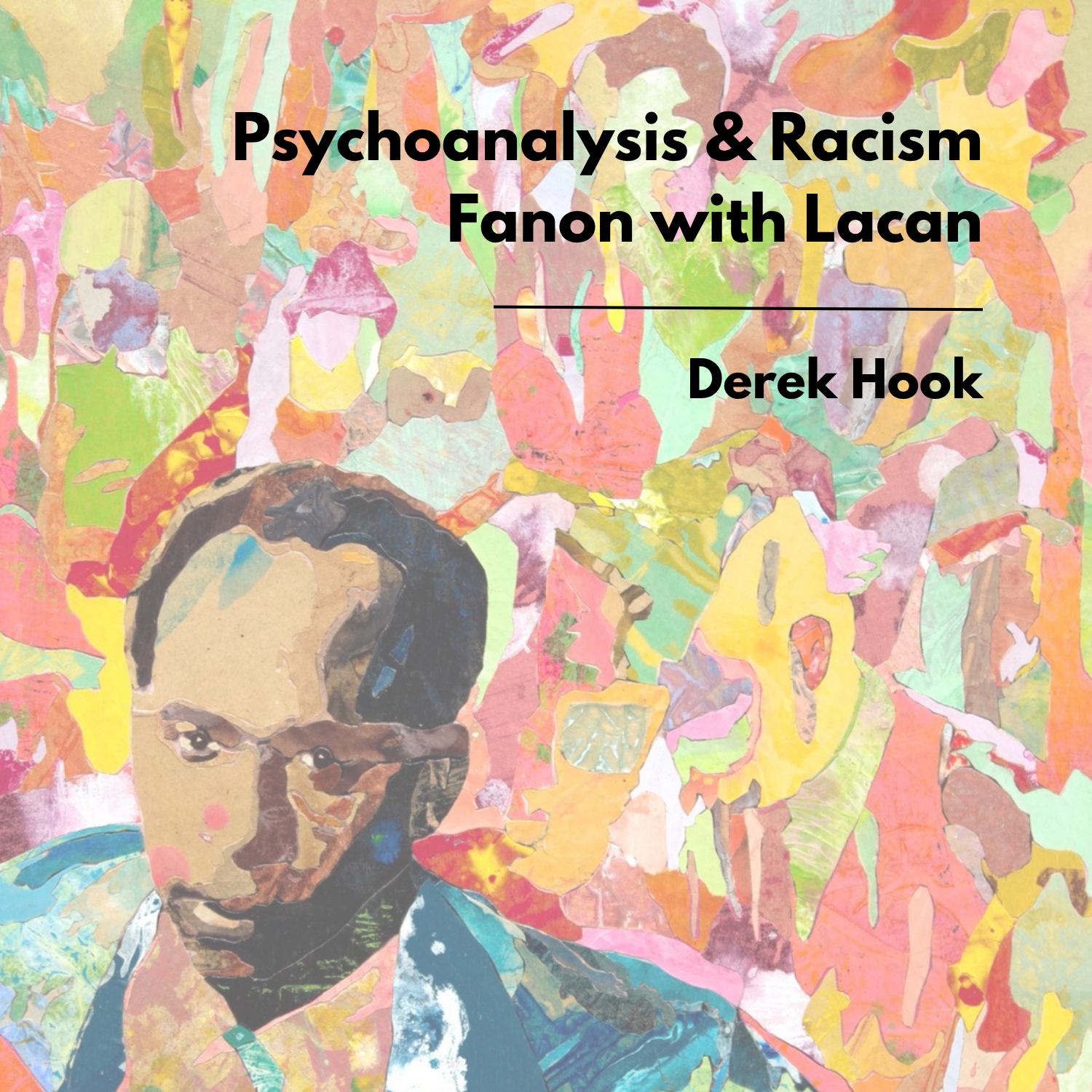 Image 2 of 2
Psychoanalysis and Racism: Fanon with Lacan
Has psychoanalysis done enough to understand racism and the colonial legacies that continue to shape contemporary society? For Frantz Fanon, the answer would have been a resounding no. Psychoanalysis, he argued, has historically displayed a striking blindness to the structuring force of race and racism. Yet Fanon does not simply reject psychoanalysis. Instead, he subjects it to a searching critique while radically transforming its concepts.
In this course, we will explore a number of Fanon’s critical engagements with psychoanalysis, alongside Fanon’s own decisive contributions: sociogeny, the zone of nonbeing, epidermalization, negrophobia, the colonial gaze, and the sexual dimension of racism. We will pay particular attention to how Fanon understands the bodily dimension of racism, the pathologization of blackness, and the role of white fantasy structures.
We will also amplify certain of Fanon’s claims by recourse to a number of Lacanian concepts, including jouissance, fantasy, the fragmented body, the gaze, and the voice. In doing so, we will consider how psychoanalysis might better confront the unconscious, bodily, and social structures of racism. The course will thus map the considerable points of convergence between Fanonian and Lacanian approaches to racism. Lacan’s concept of jouissance, and the later Lacanian formulation of racism as the imagined “theft of enjoyment,” provide powerful tools for extending Fanon’s analysis of—and proposals for resisting—colonial racism. A historical case study will focus on how Lacan’s notion of the “body in pieces” is literalized in white racist fantasy. Turning to A Dying Colonialism, we will also examine how Fanon’s treatment of visibility, speech, embodiment, and collective transformation anticipates important Lacanian ideas concerning the gaze and the voice.
The course will appeal broadly to clinicians, students, and researchers interested in the decolonial critique of psychoanalysis. It will also be of particular interest to those seeking to understand Fanon’s contribution to psychoanalysis, as well as those curious about how Fanonian and Lacanian thought can illuminate contemporary racism, prejudice, and ethnic hatred—and how these might be thought through in relation to the contemporary psychoanalytic clinic.
Learning Outcomes
By the end of the course, participants will be able to:
Explain how Fanon critiques the racial and colonial limitations of psychoanalysis while also transforming and extending its concepts.
Use key Fanonian concepts—including sociogeny, epidermalization, negrophobia, the zone of nonbeing, and the colonial gaze—to analyse the psychic and social structures of racism.
Understand how Lacanian concepts such as jouissance, fantasy, the fragmented body, the gaze, and the voice can illuminate and extend Fanon’s account of colonial racism.
Apply Fanonian and Lacanian perspectives to questions of race, embodiment, fantasy, resistance, and clinical practice.
Practical Information
This course will run for 8 sessions / 90 mins per session.
This course will run on Saturdays at 11am LA / 2pm New York / 7pm London / 8pm Paris.
Session dates: October 10, 17, 24, 31; November 7, 14, 28; December 5.
This course will be delivered online via Zoom. Live attendance is strongly encouraged, but sessions will be recorded and available to participants who cannot attend.
Enrolment is open to all. Prior knowledge of psychoanalytic concepts and the relevant literature may be helpful, but is not required.
This course does not result in an official certification. However, a letter of acknowledgment signed by The Analytic Forum’s directors will be available upon completion of the course.
Instructor
Derek Hook is a Professor of Psychology and a clinical supervisor at Duquesne University, Pittsburgh. A scholar and practitioner of psychoanalysis, he is one of the editors of the Palgrave Lacan Series and of the four-volume Reading Lacan's Ecrits. He began his analytical training in London, at the Center for Freudian Analysis and Research. He is the author numerous books on psychoanalysis, including of Six Moments in Lacan (2016), Fanon, Psychoanalysis and Decolonial Psychology (2025) and the co-editor of Lacan on Depression and Melancholia (2023), in addition to many papers on various facets of the clinical and cultural dimensions of Lacanian Psychoanalysis. He posts maintains a YouTube channel with many lectures on Lacanian psychoanalysis, and can also be found on Instagram. He is a director of The Analytic Forum.
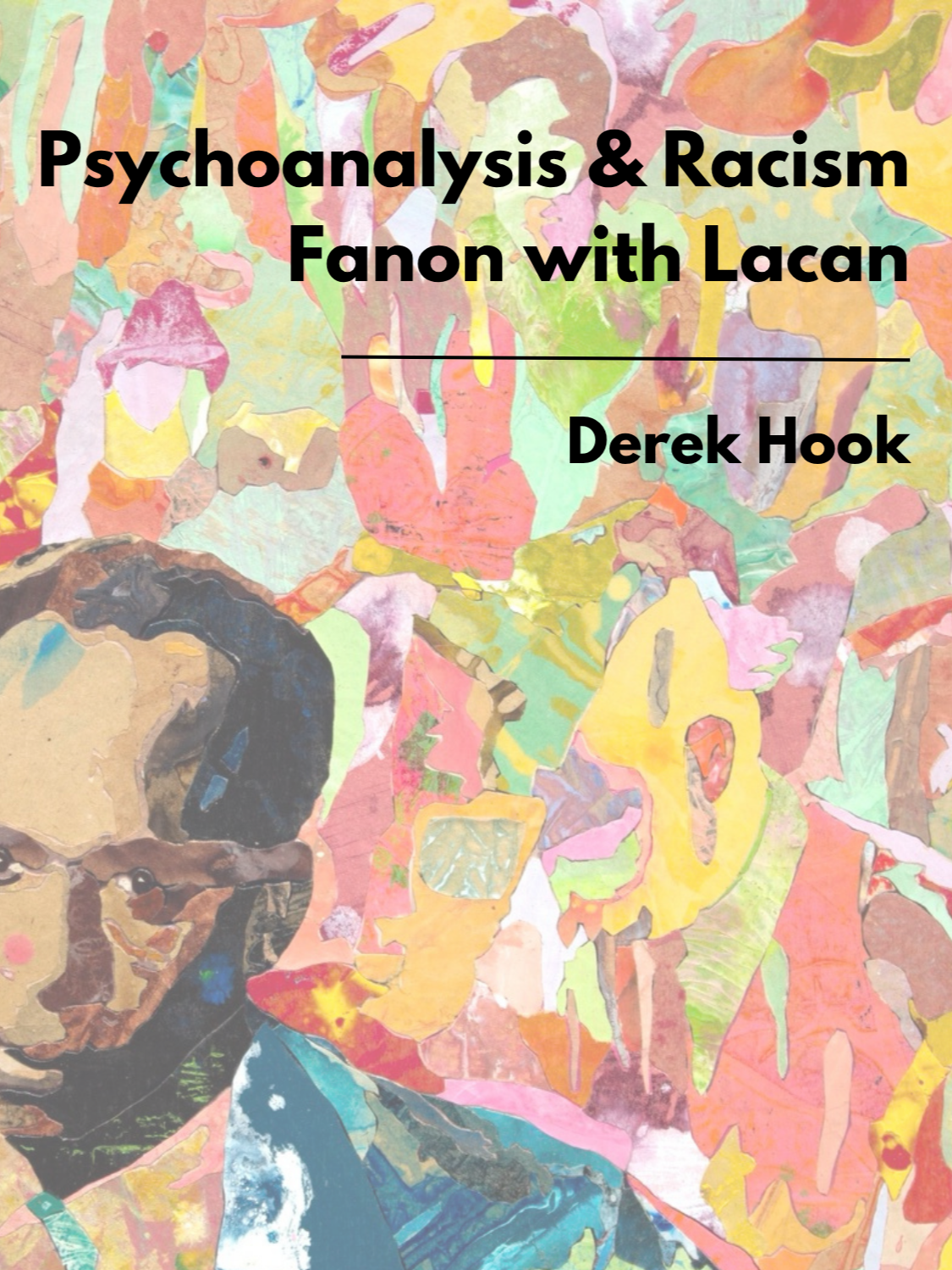
(Course artwork: ‘Static’ by Tate Hudson, courtesy of the artist.)
Early Bird Discount available until September 20. Full price will then be €349.
Has psychoanalysis done enough to understand racism and the colonial legacies that continue to shape contemporary society? For Frantz Fanon, the answer would have been a resounding no. Psychoanalysis, he argued, has historically displayed a striking blindness to the structuring force of race and racism. Yet Fanon does not simply reject psychoanalysis. Instead, he subjects it to a searching critique while radically transforming its concepts.
In this course, we will explore a number of Fanon’s critical engagements with psychoanalysis, alongside Fanon’s own decisive contributions: sociogeny, the zone of nonbeing, epidermalization, negrophobia, the colonial gaze, and the sexual dimension of racism. We will pay particular attention to how Fanon understands the bodily dimension of racism, the pathologization of blackness, and the role of white fantasy structures.
We will also amplify certain of Fanon’s claims by recourse to a number of Lacanian concepts, including jouissance, fantasy, the fragmented body, the gaze, and the voice. In doing so, we will consider how psychoanalysis might better confront the unconscious, bodily, and social structures of racism. The course will thus map the considerable points of convergence between Fanonian and Lacanian approaches to racism. Lacan’s concept of jouissance, and the later Lacanian formulation of racism as the imagined “theft of enjoyment,” provide powerful tools for extending Fanon’s analysis of—and proposals for resisting—colonial racism. A historical case study will focus on how Lacan’s notion of the “body in pieces” is literalized in white racist fantasy. Turning to A Dying Colonialism, we will also examine how Fanon’s treatment of visibility, speech, embodiment, and collective transformation anticipates important Lacanian ideas concerning the gaze and the voice.
The course will appeal broadly to clinicians, students, and researchers interested in the decolonial critique of psychoanalysis. It will also be of particular interest to those seeking to understand Fanon’s contribution to psychoanalysis, as well as those curious about how Fanonian and Lacanian thought can illuminate contemporary racism, prejudice, and ethnic hatred—and how these might be thought through in relation to the contemporary psychoanalytic clinic.
Learning Outcomes
By the end of the course, participants will be able to:
Explain how Fanon critiques the racial and colonial limitations of psychoanalysis while also transforming and extending its concepts.
Use key Fanonian concepts—including sociogeny, epidermalization, negrophobia, the zone of nonbeing, and the colonial gaze—to analyse the psychic and social structures of racism.
Understand how Lacanian concepts such as jouissance, fantasy, the fragmented body, the gaze, and the voice can illuminate and extend Fanon’s account of colonial racism.
Apply Fanonian and Lacanian perspectives to questions of race, embodiment, fantasy, resistance, and clinical practice.
Practical Information
This course will run for 8 sessions / 90 mins per session.
This course will run on Saturdays at 11am LA / 2pm New York / 7pm London / 8pm Paris.
Session dates: October 10, 17, 24, 31; November 7, 14, 28; December 5.
This course will be delivered online via Zoom. Live attendance is strongly encouraged, but sessions will be recorded and available to participants who cannot attend.
Enrolment is open to all. Prior knowledge of psychoanalytic concepts and the relevant literature may be helpful, but is not required.
This course does not result in an official certification. However, a letter of acknowledgment signed by The Analytic Forum’s directors will be available upon completion of the course.
Instructor
Derek Hook is a Professor of Psychology and a clinical supervisor at Duquesne University, Pittsburgh. A scholar and practitioner of psychoanalysis, he is one of the editors of the Palgrave Lacan Series and of the four-volume Reading Lacan's Ecrits. He began his analytical training in London, at the Center for Freudian Analysis and Research. He is the author numerous books on psychoanalysis, including of Six Moments in Lacan (2016), Fanon, Psychoanalysis and Decolonial Psychology (2025) and the co-editor of Lacan on Depression and Melancholia (2023), in addition to many papers on various facets of the clinical and cultural dimensions of Lacanian Psychoanalysis. He posts maintains a YouTube channel with many lectures on Lacanian psychoanalysis, and can also be found on Instagram. He is a director of The Analytic Forum.
(Course artwork: ‘Static’ by Tate Hudson, courtesy of the artist.)
Early Bird Discount available until September 20. Full price will then be €349.